
Hybrid schooling is quietly becoming the new default for families who want the best of both structured school and personalized home-based learning. Here’s everything you need to know.
What Is Hybrid Schooling? (Definition and How It Works)
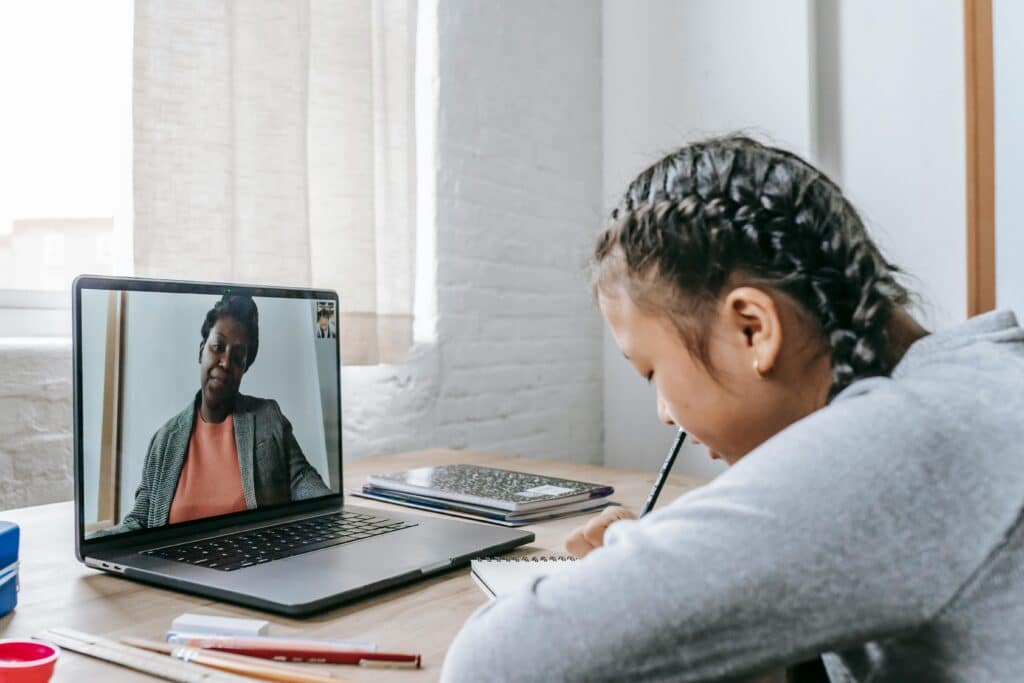
Hybrid schooling — sometimes called hybrid homeschooling or part-time schooling — is an educational model in which a student divides their learning between a traditional school setting and home-based instruction. A typical hybrid student might attend a campus two or three days per week and receive one-on-one instruction at home on the remaining days.
This isn’t a workaround or a compromise. For a growing number of families, hybrid schooling is the intentional goal — a way to design an education that fits a child’s real life rather than forcing a child’s life to fit a rigid school schedule.
In 2026, hybrid education has moved from the margins to the mainstream. Families across the country are discovering that the binary choice between full-time traditional school and full-time homeschooling no longer has to be the only option.
Why More Families Are Choosing Hybrid Education Models
The rise of hybrid schooling reflects a broader shift in how families think about education. More parents are questioning whether a one-size-fits-all model is really the best fit for their one-of-a-kind child.
Several factors are driving the growth of hybrid models:
- Greater awareness of different learning styles and paces
- The proven effectiveness of one-on-one instruction
- The need for scheduling flexibility for student-athletes, performers, and traveling families
- A desire for more parental involvement in curriculum and values
- Technological tools that make high-quality virtual instruction genuinely effective
Hybrid schooling acknowledges a simple truth: learning happens everywhere, and the best education is the one designed with purpose.


Who Thrives in a Hybrid Model? Athletes, Performers, Travelers, and More
The hybrid model offers something traditional school often can’t: genuine flexibility without sacrificing academic rigor. Certain students benefit especially well from this approach.
Student-Athletes and Performers
Elite athletes, musicians, actors, and dancers often face scheduling conflicts that make full-time traditional school difficult or impossible. A hybrid model allows them to dedicate daytime hours to training and rehearsals while receiving focused, efficient academic instruction during the remaining days. One hour of one-on-one teaching often covers what might take three hours in a conventional classroom.
Students Who Need a Different Academic Pace
Not every child learns at the same speed in every subject. A student might be two grade levels ahead in math but need additional support in writing. Hybrid schooling allows for a truly customized curriculum — accelerating where a student is ready, deepening understanding where they need more time. This kind of individualized pace is nearly impossible to achieve in a traditional classroom setting.
Families Who Travel Frequently
Nomadic families, those with significant international travel commitments, or families who spend extended time away from home can maintain a consistent, high-quality education through the hybrid model. The structure doesn’t have to stop when the family moves — it simply adjusts.
Students Recovering from Burnout or Anxiety
For students who have experienced academic burnout, school anxiety, or a difficult social environment, the hybrid model provides a gentler re-entry into structured learning. Home-based instruction in a low-pressure environment can restore confidence before a student transitions back to a fuller school schedule.

The Benefits of Blending School and Home-Based Learning
The hybrid education model combines the social, extracurricular, and structural benefits of traditional school with the personalization, flexibility, and efficiency of one-on-one instruction. The result is often stronger than either model alone.
Key benefits families report include:
- Academic acceleration in subjects where the student is ready
- Deeper support in areas where the student needs more time or a different approach
- Reduced stress and school-related anxiety
- More time for passions, sports, arts, and other meaningful pursuits
- Greater family involvement in a child’s daily learning experience
- Consistent academic progress even during travel or schedule disruptions
Common Challenges (And How to Overcome Them)
Hybrid schooling is highly effective — but it’s not without its challenges. Families who struggle with this model often face similar issues:
Lack of coordination between school and home instruction
When school and home learning operate as two separate systems with no communication, students can experience gaps, repetition, or conflicting approaches. The solution is a unified academic plan built on consistent communication between all parties.
Difficulty managing a non-traditional schedule
Without structure and routine, the home learning days can drift. A clear weekly schedule with dedicated learning blocks, transitions, and breaks makes a significant difference.
Uncertainty about curriculum alignment
Families sometimes worry that home-based instruction won’t align with what the partner school is teaching. This is where working with experienced educators — rather than managing independently — becomes essential.


How to Create a Unified Academic Plan Across School and Home
The most successful hybrid learners are supported by a cohesive plan that connects school instruction, home learning, and family goals into one seamless experience.
A strong unified academic plan includes:
- Clear communication between the school, the home educator, and the family
- Curriculum alignment so that home instruction complements — rather than duplicates or contradicts — what is taught on campus
- Regular check-ins to assess progress and make adjustments
- A consistent schedule that students can rely on
- Documentation and record-keeping to support any future school transitions or applications
This level of coordination is where many families benefit from professional support. Managing it alone requires significant time, expertise, and ongoing communication that can quickly become overwhelming.
The Role of One-on-One Instruction in Hybrid Education
One-on-one instruction is the engine that makes hybrid schooling work. When a student is working individually with a skilled teacher, the pace adapts to them in real time, gaps are identified and addressed immediately, and learning is more efficient, more engaging, and more effective.
At Novel Education Group, our teachers provide the core home-based instruction for hybrid learners, aligning directly with partner school curricula to ensure there are no gaps. We also offer advanced coursework in subjects a school may not specialize in, targeted support for areas of difficulty, and academic management to coordinate the full educational plan.
The goal is a seamless learning experience — not two disconnected ones.
Is Hybrid Schooling Right for Your Family?
Hybrid schooling is an excellent fit for families who value both the community and structure of traditional school and the personalization and flexibility of home-based learning. It works best when all parties — school, educators, and family — are aligned around a shared plan.
It’s worth asking:
- Does your child have scheduling needs that don’t fit a full-time school model?
- Is your child being held back or left behind in a traditional classroom setting?
- Are you looking for more involvement in your child’s daily education?
- Does your family travel frequently or have irregular schedules?
If any of these resonate, hybrid schooling may be worth exploring.
To learn more about whether this model is the right fit for your child, contact our team for a personalized consultation. We work with families across all kinds of hybrid arrangements and can help you design a plan that actually works.
If your hybrid learner is also considering a private school option, our guide to the private school admissions timeline is a helpful starting point.