Key Takeaways
- Homeschooling internationally is legal for U.S. families almost everywhere. What matters is which country’s or state’s rules you’re actually following, not your physical location.
- Most companies serving homeschoolers abroad only sell their own accredited curriculum package. Novel offers both accredited and customized paths, each with the option of a real teacher, not just a course to work through alone.
- Time zones and moves don’t have to derail a school year if the teacher managing your child’s program is used to coordinating around them.
- Your family’s home U.S. state, not your host country, usually stays the legal reference point for compliance, before, during, and after the move.
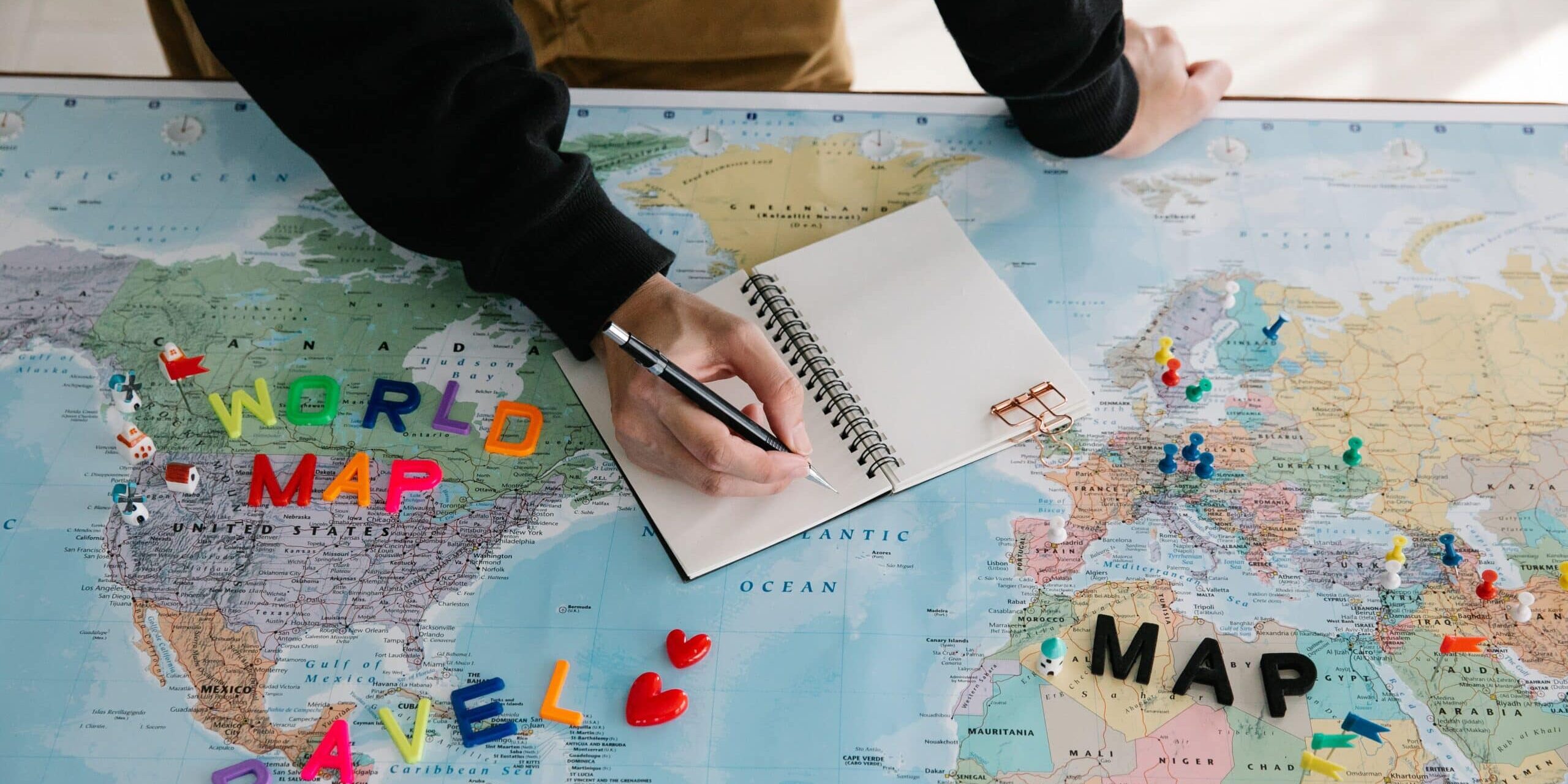
Homeschooling internationally isn’t a special legal category. It’s homeschooling, done from a different country, and the same core question still applies: whose curriculum and whose rules are you actually following? Here’s what changes when your address does, and what doesn’t.
One note before we start: this guide is for families who are settling somewhere, relocating for work, a posting, or a long-term move, and want a U.S. education to continue uninterrupted. If your family is travelling continuously rather than putting down roots in one country, that’s a different setup with different logistics, and our guide to worldschooling for traveling families covers that instead.
Is It Legal to Homeschool While Living Abroad?
Yes, in the vast majority of cases. As a U.S. family, the homeschool laws that apply to you are almost always tied to your legal home state, not the country you’re currently living in. Some countries have their own restrictions on homeschooling for their own citizens, but that typically doesn’t extend to U.S. families living there temporarily. It’s worth checking your host country’s specific rules if you plan to stay long-term, but for most expat families the deciding factor is still which U.S. state they call home. Our state-by-state guide is a good starting point if you haven’t settled on that yet.

Do You Need an Accredited Program to Homeschool Abroad?
No, and this is where a lot of the advice online gets narrow. Most companies that market to homeschooling families overseas sell exactly one thing: their own accredited curriculum package. That works well for some families. It isn’t the only option. A customized program, built around your child instead of an existing school’s syllabus, works just as well abroad as it does anywhere else, as long as someone is tracking your home state’s requirements along the way.
What Actually Gets Harder When You Move Abroad?
Not the legality. It’s logistics: time zones for live classes, shipping physical materials, spotty internet, and keeping a routine going through a move. None of that is unique to homeschooling, but it does mean the teacher managing your child’s program needs to be genuinely flexible, not just handing you a self-paced course and wishing you luck. A live class scheduled for 9 a.m. Eastern is a very different ask for a family that just relocated to Singapore. Here’s what actually shifts when your address does, and what carries over untouched:
| Moving abroad changes it? | |
| Your legal home base for compliance | No, stays your U.S. state |
| Your curriculum, accredited or customized | No, it travels with you |
| Your dedicated teacher | No, same teacher |
| Class scheduling | Yes, adjusts to your time zone |
| Physical materials | Yes, ship or digitize before you go |
| Required state testing | No, but plan how you’ll complete it |
Can You Combine Homeschooling With a Local International School?
Some families do, especially for younger children who benefit from local friendships and language immersion. A part-time arrangement, mornings at a local or international school with homeschool coursework built around the rest of the day, is closer to hybrid schooling than full homeschooling, and it’s worth knowing that’s a real, separate option rather than an all-or-nothing choice.
What Should You Set Up Before You Move?
A few things are easier to sort out before you leave than after:
- Confirm which U.S. state will remain your legal home base for homeschool compliance
- Check whether your materials and live classes will work with the time difference at your destination
- Ship or digitize anything you’ll need that isn’t easily replaced abroad
- Decide how you’ll handle any testing or check-ins your home state requires while you’re overseas

Is It Hard to Transition Back If You Move Home to the U.S?
No, not if your records were kept properly while you were away. Since compliance is tracked against your home state the entire time you’re abroad, transitioning back is a matter of continuity, not a fresh start. A transcript and record set maintained properly overseas holds up the same way it would if your family had never left. If you want the specifics on what that record needs to show, we cover it in our guide to what colleges actually look for in a homeschool diploma.
How Novel Supports Families Living Abroad
This is the real difference between a curriculum package and a managed program. Whether your child is enrolled through an accredited partner like Laurel Springs or ICL Academy, or on a fully customized plan, a dedicated Novel teacher plans around your time zone and keeps your home state’s compliance on track, no matter which country you’re in that semester. If you haven’t decided between the two paths yet, our accredited versus customized comparison can help before you plan the move. A free consultation is a good next step once a move is on the calendar.